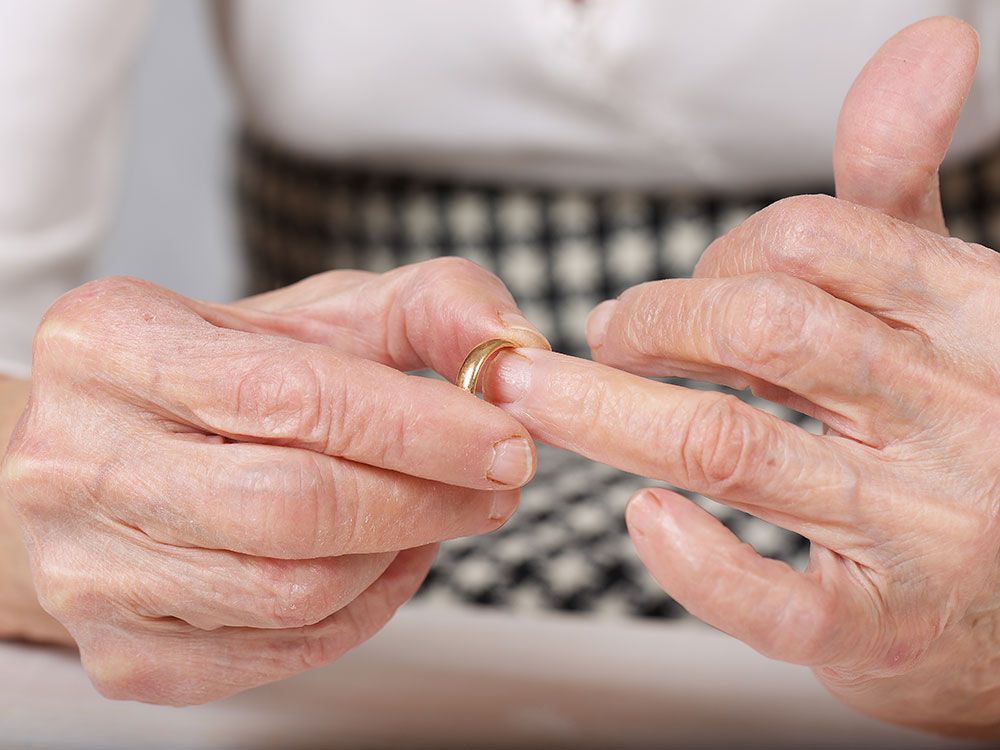





You know that bone-deep tired that has nothing to do with needing sleep? That weight in your chest that makes you feel a hundred years old even though you’re only in your sixties? I’ve been carrying it for so long I forgot it wasn’t supposed to be there.
The other day, Donna asked me when was the last time someone took care of me. Not needed something from me, not asked me to fix something, but actually took care of me. I sat there for ten minutes trying to remember. Came up empty.
That’s when it hit me. My whole generation got trained to be the reliable ones, the fixers, the ones who show up. And we’ve been doing it so long, we don’t even know how to stop.
Wait. Let me start over. Let me do this right.
Tuesday night, 9:40. I was halfway through a bowl of soup when the phone rang. Neighbor’s toilet was running and he didn’t know how to shut off the valve. I put my spoon down, grabbed my jacket, and drove over. Fixed it in four minutes. Drove home. Soup was cold.
Donna was already in bed. She didn’t even ask where I went. She just looked at me with this expression I’ve been seeing more and more lately: not angry, not sad. Just tired of watching me leave.
That’s the whole thing, right there. A cold bowl of soup and a woman who stopped asking where you went. My generation got trained to be the reliable ones, the fixers, the ones who show up. We’ve been doing it so long we don’t even know how to stop.
The training started early
Growing up in the sixties and seventies, you learned quick that asking for help was weakness. My old man worked himself into the ground, never complained, never asked for anything. When he was dying, he apologized for being a burden. Apologized. For dying.
That’s the blueprint they gave us. Be useful or be invisible.
I started working at eighteen, not because we were poor, but because that’s what you did. By eighteen, I was pulling wire through walls sixty hours a week. By twenty-five, I was the guy people called when they needed something fixed, something done, someone to show up.
Kristy Shell writes that “Caregiving often begins with love and commitment. You step in because someone you care about needs help. But over time, what started as a temporary responsibility can become physically, emotionally, and mentally overwhelming.”
She’s talking about caregiving for sick family, but that’s exactly how life felt for my whole generation. Except the “temporary” part never came. We just kept stepping in, kept showing up, kept being the ones everyone could count on.
When reliability becomes your identity
Here’s what happens when you’re reliable for forty years straight: people stop seeing you as a person. You become a resource, like a toolbox or a savings account. Something to use when needed.
I remember missing my son Danny’s graduation rehearsal because of an emergency call-out. Not even the real graduation, just the rehearsal. But someone’s power was out, and they called me because they knew I’d come. And I did. Because that’s who I was, the guy who shows up.
Danny’s forty now, and he still brings it up sometimes. Not angry, just disappointed. And I get it. I was so busy being everyone’s emergency contact that I became nobody’s priority, including my own.
The Cleveland Clinic describes it perfectly: “Caregiver burnout is a state of physical, emotional and mental exhaustion that can happen when you dedicate time and energy to manage the health and safety of someone else.”
Except for us, it wasn’t just one someone. It was everyone. The job, the family, the neighbors, the guy from church whose car broke down. We managed everyone’s health and safety but our own.
The cost of never saying no
You want to know the real cost? It’s not the missed dinners or the cancelled vacations, though there were plenty of both. It’s that you forget you’re allowed to need things.
I spent so many years being the strong one, the provider, the fixer, that when I finally retired and didn’t have to be those things anymore, I didn’t know who I was. Donna bought me a journal as a joke, said maybe I could write down all the things I never said out loud. Turns out she was onto something.
Dr. Chelsea Mendonca points out that “Caregivers without formal training or those juggling multiple responsibilities, such as work and family, are especially vulnerable.”
That’s the thing, we never got training for this. Nobody sat us down and said, here’s how you take care of everyone while still maintaining your own humanity. We just figured it out as we went, usually by sacrificing pieces of ourselves we didn’t think we’d miss until they were gone.
The exhaustion that sleep can’t fix
This exhaustion, it’s different. I can sleep ten hours and wake up just as tired. Because it’s not physical tired, it’s soul tired. It’s forty years of being on call, forty years of other people’s problems becoming your emergencies, forty years of swallowing what you need to say because someone else needs you to be strong.
A social worker put it this way: “I work in child protective services, and I used to go the extra mile for every case. Now I just do the minimum and go home. I hate that it’s come to this, but I can’t keep burning myself out.”
I read that and thought, at least you figured it out while you still had a job to leave at the office. Some of us never learned where work ended and life began. It all just blended into one long shift that lasted decades.
Research shows that over 60% of caregivers experience symptoms like fatigue, anxiety, and depression. But what about those of us who’ve been caregiving our whole lives, not just for sick relatives but for everyone who learned they could count on us? What percentage are we?
Learning to receive (the hardest lesson)
The hardest part about getting older isn’t the bad knees or the reading glasses. It’s learning to receive help when you’ve spent your whole life being the helper.
Last month, my back went out. Bad. Couldn’t even bend over to tie my shoes. Donna had to help me get dressed. I almost cried, not from pain but from shame. Here I was, the guy who fixed everything, and I couldn’t even put on my own socks.
But Donna just smiled and said, “It’s about time you let someone take care of you.”
A therapist shared something that stuck with me: “I learned that I can still care—but I have to do it from a place of strength, not depletion. Now I check in with myself as often as I check in on others.”
That’s the work now. Learning to check in with myself. Learning that it’s okay to be the one who needs something. Learning that reliability doesn’t mean being available 24/7 until you drop dead at your workbench.
Bottom line
My generation, we got sold a lie. We were told that being needed was the same as being valued. That being reliable was the same as being loved. That taking care of everyone else would somehow take care of us too.
It didn’t. It just left us exhausted in a way that goes deeper than tired, older than our years, wondering when it’s finally our turn.
Last week I reheated that bowl of soup. Sat down at the table. The phone rang. I looked at it for a long time.
I finished the soup.