





Add Silicon Canals to your Google News feed. 
I spent last month talking to twenty people over seventy about their parents. Asked them all the same question: what do you miss most?
Not one of them said advice. Nobody mentioned wisdom or life lessons. Every single person described something physical. The weight of a hand on their shoulder. The sound of a specific laugh. The smell of a coat hanging in the hallway.
Most hadn’t felt these things in thirty years, but they could describe them perfectly in about four seconds. Like the memories were stored somewhere deeper than words.
That hit me hard. Here I am, sixty-four years old, and I realize I’ve been thinking about this all wrong.
The things we actually remember
My father’s been gone twelve years now. Union pipefitter, came home tired every night smelling like copper and sweat. Never said much.
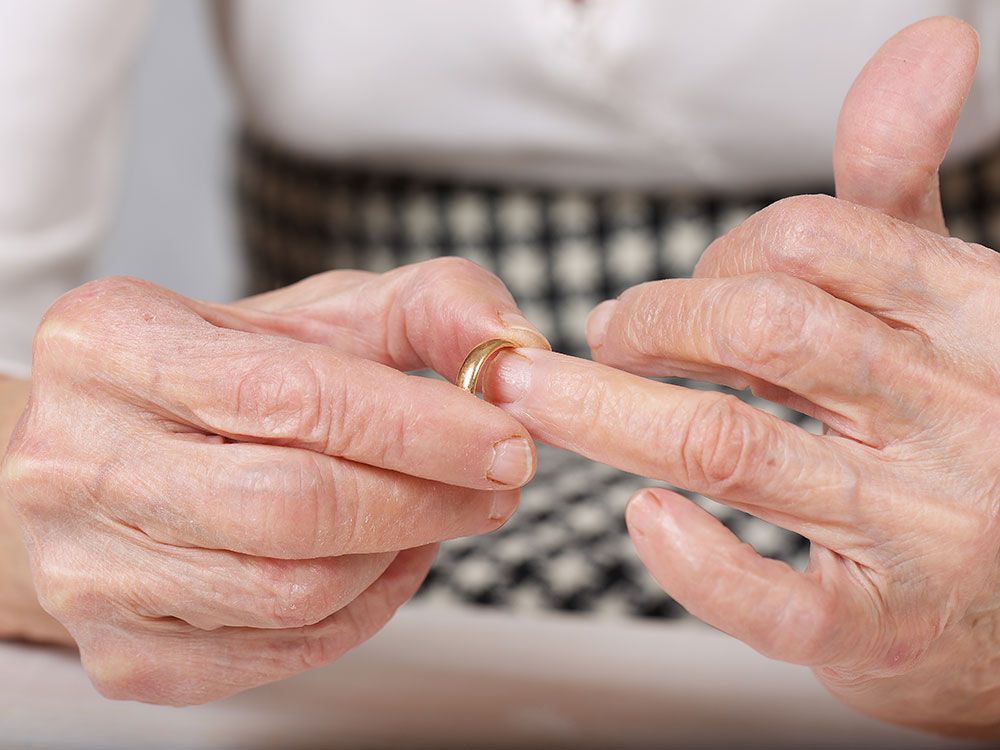
You know what I remember most? Not his advice about work or money or being a man. I remember his hands. Scarred up, thick as baseball gloves, always warm. When I was eight and struck out in Little League, he put one of those hands on my shoulder. Didn’t say anything. Just left it there for maybe ten seconds.
I can still feel the weight of it.
My mother passed five years ago. Came over from County Kerry as a young woman, worked at the parish office, ran our house like a ship. Ask me what wisdom she passed down, and I’d struggle to tell you. But I can still smell her kitchen on Sunday mornings. Bacon, brown bread, and this particular brand of tea she’d have shipped from Ireland.
That smell meant home more than any words ever could.
One woman I talked to, eighty-two years old, told me she misses the sound of her father’s car pulling into the driveway. Not the man himself, not his stories or guidance. The specific rattle of his 1956 Buick hitting that loose piece of concrete at the end of the drive.
“I heard that sound every night at 5:45 for eighteen years,” she said. “It meant he was home. We were safe. Dinner would be on the table soon.”
She hasn’t heard it in forty-eight years. Still knows exactly what it sounded like.
Why we focus on the wrong things
We spend so much time trying to capture the important stuff. Writing down family recipes, recording stories, making videos at holidays. And that’s good. We should do that.
But we miss what really sticks.
My father coached CYO basketball on weekends, dead tired from work but still showing up. I don’t remember a single thing he taught us about playing defense. What I remember is the Old Spice and cigarette smoke on his jacket when he’d demonstrate a layup.
My mother had this rule about dinner. Everyone at the table, no excuses. I fought it for years as a teenager. Now I’d give anything to sit at that table again, not for the conversation, but for the sound of forks on those old blue plates she loved.
A guy I talked to, seventy-five, electrician like me, said he misses his mother’s laugh. Not her sense of humor or the jokes she told. The actual sound of her laughing. This specific hiccup thing she’d do when something really got her going.
“I can see her whole face when I think about that sound,” he said. “More than any photo I have.”
The comfort of physical presence
There’s something about physical presence that we can’t replace. All the phone calls and letters and videos in the world don’t equal one real moment of connection.
My father died without ever saying “I love you.” That used to bother me. I swore I’d be different with my own kids, and I am. I say it all the time, even when it feels awkward.
But looking back, he did say it. Just not with words.
He said it with those hands on my shoulder. With showing up to coach when he could barely keep his eyes open. With the way he’d check the oil in my car without being asked.
One woman told me she misses sitting next to her mother on the couch, watching TV. They wouldn’t talk. Just sit there, her mother knitting, her reading a magazine. The weight of another person next to you, the small sounds of them breathing, existing in the same space.
“I have hundreds of letters from her,” she said. “Beautiful letters. But I’d trade them all for one more night on that couch.”
What this means for us now
I’m writing this down because it changed how I think about time with people. My wife Donna bought me a journal as a joke when I retired, and now I can’t stop writing. Turns out putting thoughts on paper helps me understand them.
Here’s what I understand now: we’re storing the wrong memories on purpose and the right ones by accident.
Nobody’s going to remember your philosophy on life. They’re going to remember how your hand felt on their shoulder.
They won’t remember what you said when they were scared. They’ll remember that you showed up.
They’ll forget your advice about work, but they’ll remember the sound of your car in the driveway, telling them you made it home safe.
I think about my father’s “tough it out” approach to everything. Used to think it was strength. Now I realize it was just silence dressed up as strength. He could have said more, shared more, opened up more.
But that’s not what I miss.
I miss him taking up space in a room. The way he’d clear his throat when he was thinking. His jacket on the hook by the door. The weight of him sitting on my bed when I was sick, not saying anything, just being there.
Bottom line
Twenty conversations with people over seventy, and not one of them wished for more advice from their parents. They wanted more presence. More mundane, regular, everyday presence.
The smell of coffee in the morning. The feel of a hand fixing their collar. The sound of humming in the kitchen.
These aren’t profound moments. They’re barely moments at all. But they’re what sticks. They’re what we carry.
So maybe stop worrying so much about saying the right thing. Just show up. Put your hand on someone’s shoulder. Let them hear your car in the driveway. Sit on the couch and exist in the same space.
That’s what they’ll remember. That’s what they’ll miss.
That’s what matters.
From the editors
Undercurrent — our weekly newsletter. The sharpest writing from Silicon Canals, curated reads from across the web, and an editorial connecting what others cover in isolation. Every Sunday.
Free. No spam. Unsubscribe anytime.